
Month Six, Zero Lines of Code: Rethinking Enterprise Data Migration
EVENT29 October 202612:30Johan Huizingalaan 400, Amsterdam, NH
About the event
EVENT RECAP · ENTERPRISE DATA MIGRATION
Why ERP, CRM and BI migrations stall at month six, and what changes when AI agents operate under human governance. Lessons from an evening with the Dutch data community.
Nextgenlytics · November 2026 · 5 min read
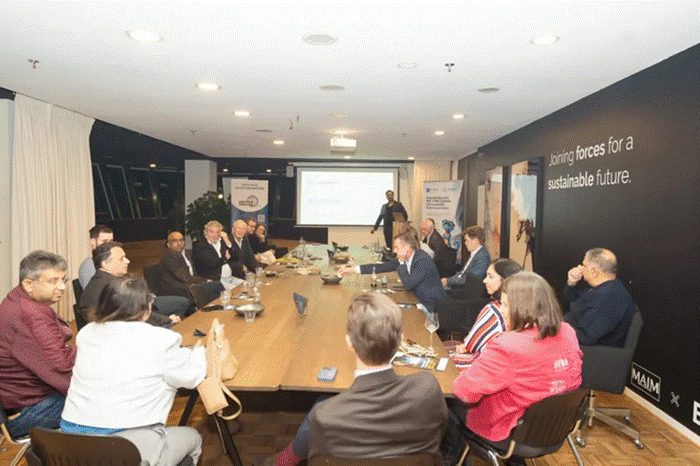
DAMA Drinks Amsterdam, 29 October 2026, co-hosted by DAMA NL and Nextgenlytics at B. Amsterdam
Month six of an ERP migration. Twenty people across eight roles. Workshops every week. And not one line of migration code.
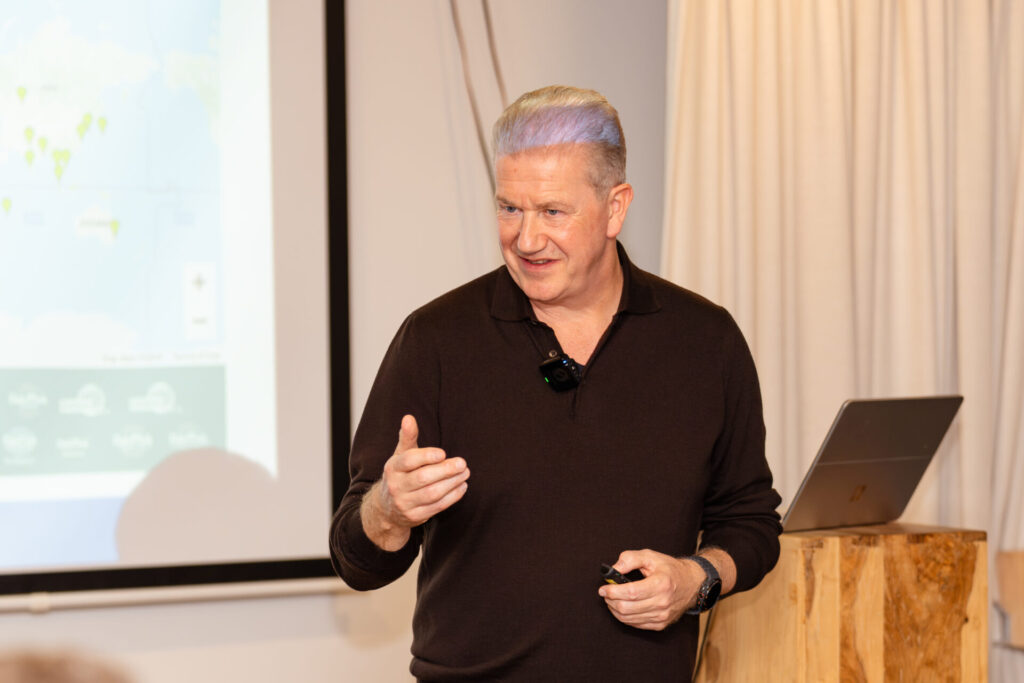
That was the opening scene Raja Devarapu, CEO of Nextgenlytics, set out at DAMA Drinks Amsterdam. Nobody in that programme was underperforming; every participant was fully booked. The method was the problem. Most enterprise data leaders recognise the room immediately, because they have sat in it themselves.
On 29 October 2026 we co-hosted the evening with DAMA NL at B. Amsterdam, bringing together data leaders, enterprise architects and governance professionals to examine a single question: how can AI make ERP, CRM, BI and data-warehouse migrations faster, more reliable and more valuable? What follows is what the room saw, challenged and took home.
The evening at a glance
| Event | DAMA Drinks Amsterdam: From Data Migration to AI-Driven Applications |
| When | Thursday 29 October 2026 |
| Where | The Sheryl, B. Amsterdam |
| Hosts | DAMA NL, with DAMA NL Friend Nextgenlytics |
| Speakers | Erik Fransen (DAMA NL) · Emilio Piers (Nextgenlytics) · Raja Devarapu, CEO, Nextgenlytics |
| Audience | Data leaders, enterprise architects and governance professionals from the Dutch data community |
Migrations stall on meaning, not movement
Enterprise migrations rarely fail because data cannot be moved. They fail because business meaning is lost in transit. Documentation sits in one tool, mapping in another, then ETL, quality, governance and monitoring. At every handover, context leaks into spreadsheets, inboxes and meetings, and the programme slows to the speed of its least documented decision.
Raja illustrated the point with the Laufenburg bridge: two halves built across the Rhine to reference points 27 cm apart, heading for a 54 cm step where they met. Not one brick was lost. Only the meaning of a single number, mislaid at a handover. Enterprise migrations fail in precisely the same way, and at considerably greater cost.
“Migrations stall on knowledge nobody wrote down.”
Raja Devarapu, CEO, Nextgenlytics
What the room saw: BlueGecko, live
BlueGecko, our AI-native data management platform, is built to close that gap under three principles: Migrate. Modernize. Manage. Business knowledge is captured once, assigned a named owner and reused across the full data lifecycle, with three specialist agents carrying the operational load on a foundation of built-in governance.
BlueGecko and its three specialist agents, demonstrated live on the night
The live demonstration made the shift tangible. Falcon Mapping profiled a legacy source and proposed source-to-target mappings with confidence scores, routing anything uncertain to the data owner rather than guessing. Code Cheetah generated production-ready code for decisions already taken, instead of waiting for a complete mapping. Owl Sight validated quality and identified personal data before anything reached production.
The second half moved from migrating data to using it. YOA (Build your Own AI) turns trusted, connected data into working business applications. Using a fictional machinery manufacturer, we showed a knowledge graph linking machines, parts, suppliers and dealers, and an agent that answered a plain-language service request with a verified, ready-to-approve parts order.
The questions enterprise buyers should ask
The open discussion was the sharpest part of the evening, and the questions were exactly the right ones: can we trust AI answers when source data is inconsistent? Where is the source of truth? Who approves the business rules AI applies, and who maintains AI-generated functionality after go-live? Our position is consistent on all four: agents propose, named owners decide, and every decision carries lineage and an audit trail.
Three principles the room agreed on:
- Start with one business process that matters. Choose visible pain and a clear owner, not the entire landscape at once.
- Deliver value before the mapping is complete. Generate code and resolve quality as decisions land; momentum earns budget and trust.
- Make ownership explicit from day one. AI amplifies whatever foundation it stands on, so governance cannot be retrofitted.
Thank you
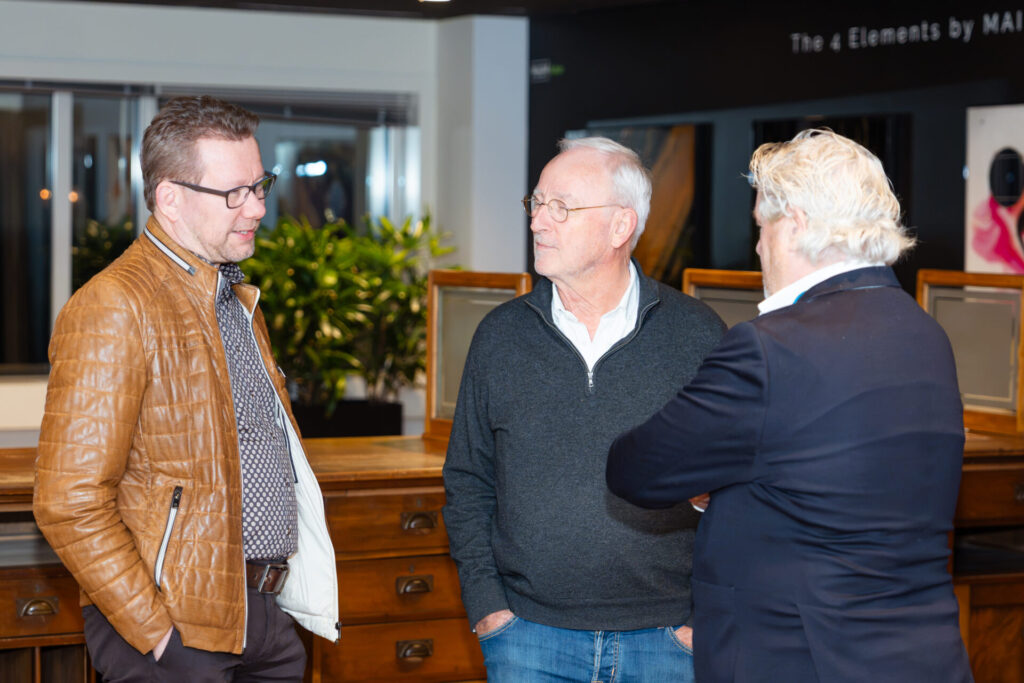
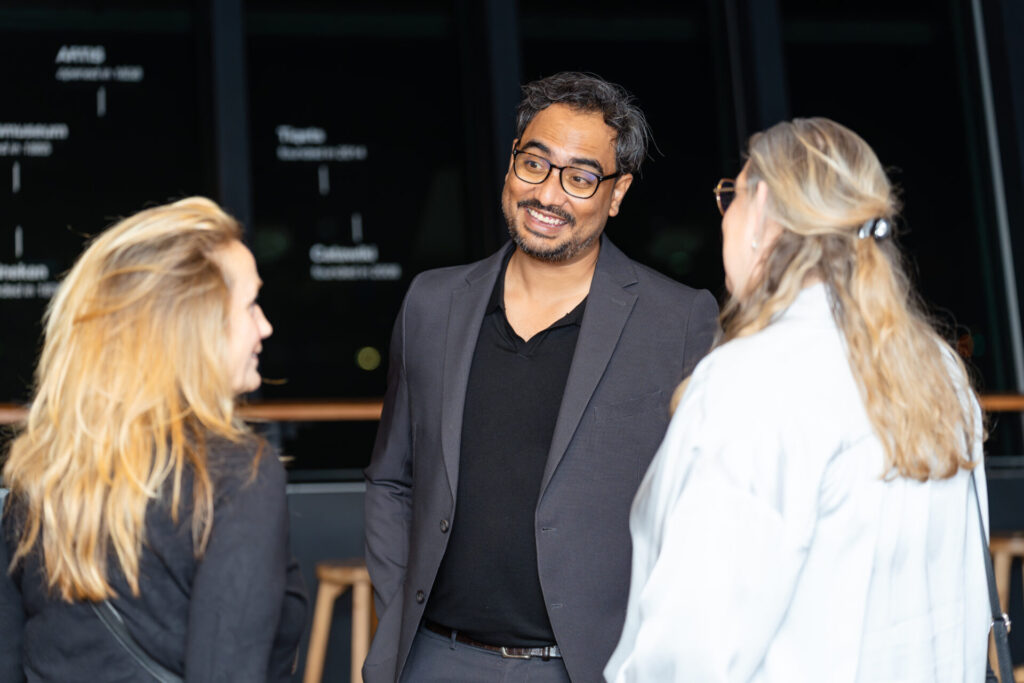
Our thanks to DAMA NL and Erik Fransen for convening the community, to Emilio Piers for opening the evening, and to every attendee who asked a difficult question and stayed for the conversation. As Raja closed: decide what it means before you move it. Watch the event
or see the full photography on the DAMA NL event page.
Stuck at month six? We run a 45-minute working session with your migration and data governance leads, using your own systems and mapping backlog, to show where AI agents remove effort and where human approval stays. Request a session at bluegecko.ai